
In the new-age business environment where automation is on the rise, Blue Prism is the brand that comes into view as a pioneer This cutting-edge Robotic Process Automation (RPA) product, with its automation technology, allows companies to create an innovative work environment, cut down costs, and become more productive But what is the story of Blue Prism behind the scenes, and how does it function? Let us delve into its technology, key components, and the extraordinary features that make it the first choice of so many organizations.
What is Blue Prism?
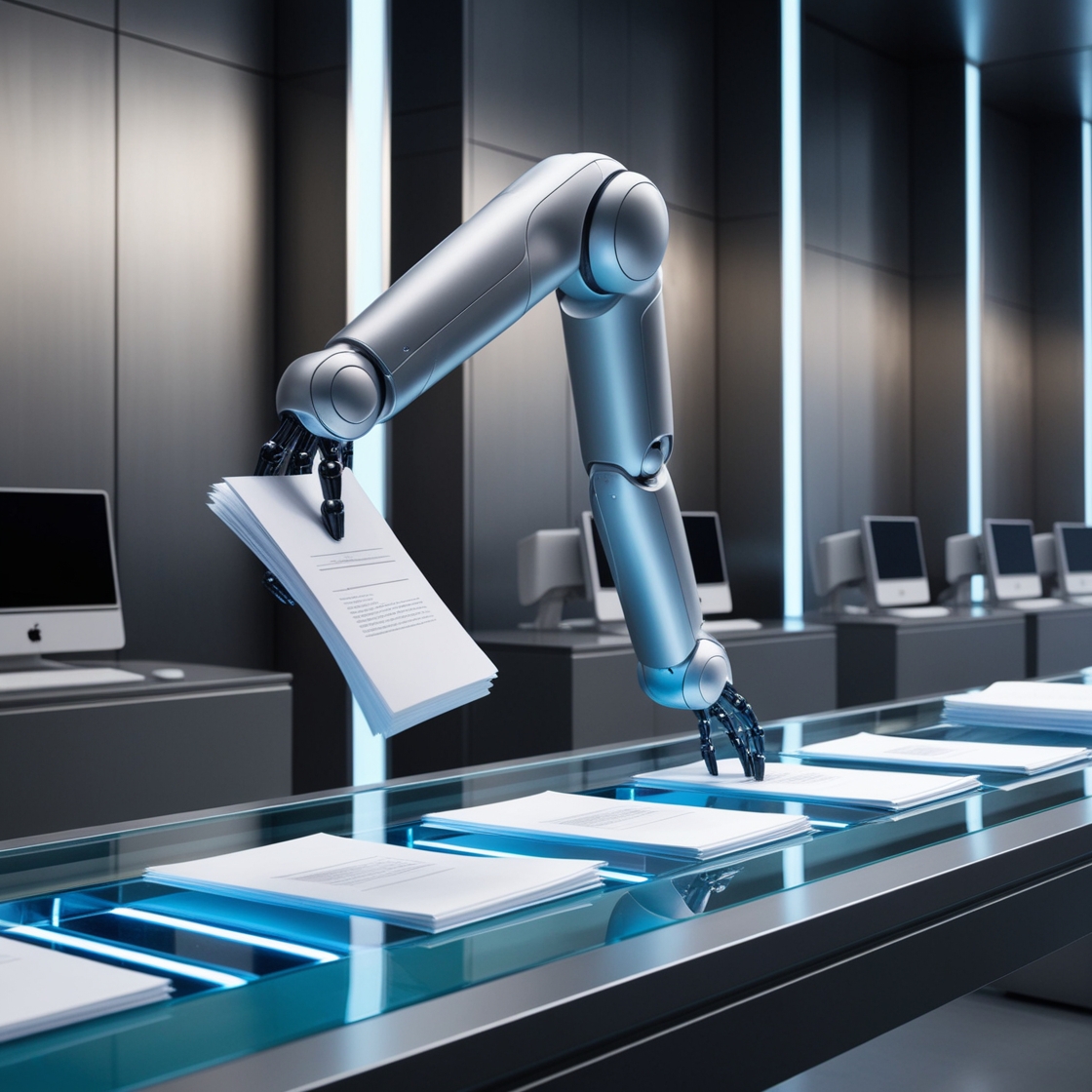
Blue Prism is a prominent RPA platform that helps companies to automate their routine rule-based tasks through digital workers or robots A digital worker or a robot that can do some tasks just like a human is used for the automation of the process and this way employees can be more efficient in their work as they do more strategic activities.
But beyond this elementary description, Blue Prism really is a very complicated technology designed for operational excellence.

How Blue Prism Works
In the key, Blue Prism works by software robots that can do a big number of tasks through different applications and systems. The robots are programmed to use a set of rules and processes to do the tasks with accuracy and uniformity. Here's a step-by-step overview of how Blue Prism works:
- Process Definition: In the very beginning, it is very crucial to clarify the approach to the process that is to be automated. It is the case here that the basic procedures are mapped, the input the output requirements are determined, and the rules of the process are understood.
- Designing the Process: The process is designed, then the results of the robot's work are visible which are stated in a process flow diagram created by Blue Prism using its visual designer. You use this diagram to describe how the robot will communicate with various systems, process data, and perform tasks.
- Development: Process development is done through configuring Blue Prism's process studio after the design is confirmed. This entails robot task definition, necessary setting up of commands, variables, and logic to allow the robot to perform the task exactly as it should.
- Testing and Validation: However, the process is then thoroughly tested to confirm its expected functionality before deployment. This stage is pertinent to find the possible defects and make the required changes.
- Deployment: On completion of the testing, the robot is released into the production environment and it begins the automated tasks immediately. Blue Prism offers a suite for robot observation and control to guarantee their unhindered functioning.
- Maintenance: Post-deployment, regular maintenance is very important in order to adapt to any process updates or changes, thus, lasting efficiency and accuracy can be attained.

Main Components of Blue Prism
Blue Prism consists of various main components which are interdependent and together constitute its automation functionalities.
- Process Studio: This is where you program and create automation processes. It runs on a visual interface that is compatible even with users without programming knowledge.
- Object Studio: You create, modify, and manage reusable automation objects in Object Studio. These are the building blocks to automate, which can be plugged into different applications and systems.
- Control Room: Control Room is the main place to operate and have an oversight of the automated processes. It tells the robots what to do, tolerates task interruptions, and allows them to run as normal.
- Repository: This is the component that retains all the configurations, procedures, and objects. It functions as a central database where Blue Prism accounts for all the automation assets.
- Scheduler: The Scheduler is where you can set up processes to run at specific times and frequencies. This guarantees that the tasks executed automatically are done at the most fitting moments without human help.
Technology Used by Blue Prism
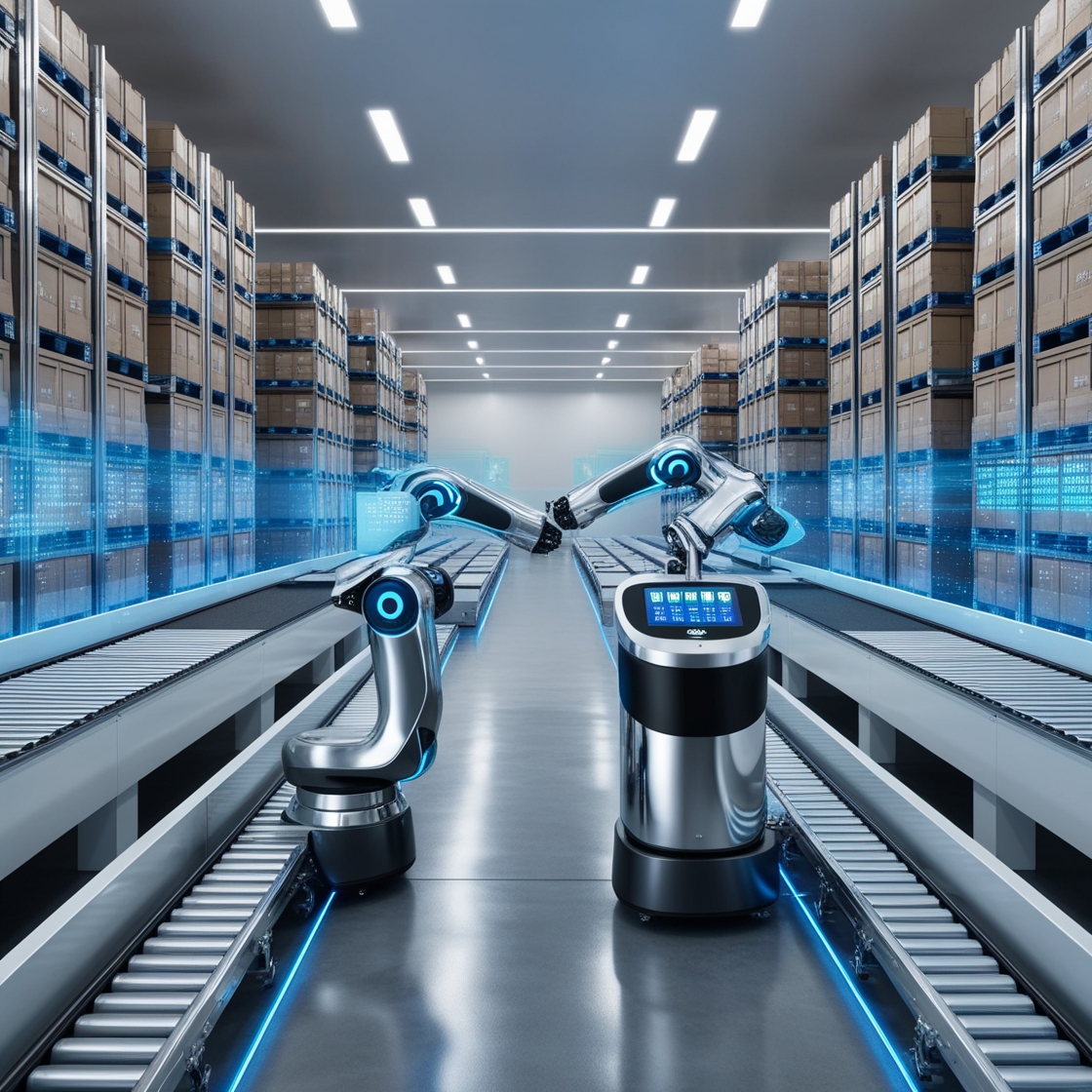
Blue Prism employs a combination of cutting-edge technologies in order to provide thoroughly reliable and easily scalable automation solutions which include:
- Desktop Automation: Blue Prism employs desktop automation technology to mimic human activities and interact with applications. This process encompasses a myriad of graphical user interfaces (GUIs) and the World Wide Web.
- Application Programming Interfaces (APIs): For further advanced integration, Blue Prism can link up applications with APIs, so data transfer and automation of processes can be done smooth.
- Artificial Intelligence (AI): Blue Prism primarily concentrates on RPA; however, it can connect with AI technologies to improve on areas like cognitive automation and decision-making.
- Cloud and On-Premises Deployment: Blue Prism offers both cloud and on-premises deployment solutions, which allows organizations to choose the option that best meets their requirements.

Conclusion
Blue Prism is more than just a tool; it’s an all-inclusive automation platform that is specifically designed to facilitate business efficiency and transformation. Through gaining knowledge of how Blue Prism operates, its main components, and the technology it employs, businesses can better leverage its capabilities to automate processes and align their strategic goals. RPA novices and those interested in maintaining their automated processes will find that Blue Prism provides a one-stop solution for their requirements.